A Kenya family safari works best when the itinerary fits your children rather than asking them to fit an adult touring schedule. Ages, sleep routines, room layouts and time in the vehicle should shape the plan from the beginning. Choose a few well-matched places, leave space to rest and make sure every property accepts the ages travelling.
Kenya family safari needs and routines
Tell the planner each child’s age at the time of travel, not only their age when you enquire. Explain rooming needs, food preferences and any mobility requirements. A family tent, adjoining rooms and two separate tents are different arrangements with different availability. Do not assume that a property advertised as family-friendly offers the exact sleeping setup you need. Ask for the actual room category and configuration in writing.
Kenya family safari with fewer moves
Every accommodation change involves packing, travel and check-in. Two or three nights in a wildlife area can create a more comfortable rhythm than a new lodge every afternoon. An arrival night in Nairobi can also take pressure off a long international journey. Count the longest transfer carefully. If it looks demanding for your family, ask for an extra stop, a different route or a flight-assisted option.
Private guiding on a Kenya family safari
A private vehicle can make it easier to agree a shorter outing or return to camp for a break. It also helps when siblings have different interests. The guide still works within park rules and practical driving limits, so agree the broad programme rather than expecting unlimited changes. Tell the planner whether your family enjoys early starts, long picnic days or separate morning and afternoon activities.
Kenya family safari activity policies
Camp age policies and activity age limits are separate questions. A lodge may accept a child for accommodation while a walk, boat outing or specialist experience has a different restriction. Ask which activities are suitable and who supervises them. Swimming pools and open camp grounds also require normal parental attention. The useful information is the selected property’s actual policy, not a general promise that every family can do everything.
Wildlife learning on a Kenya family safari
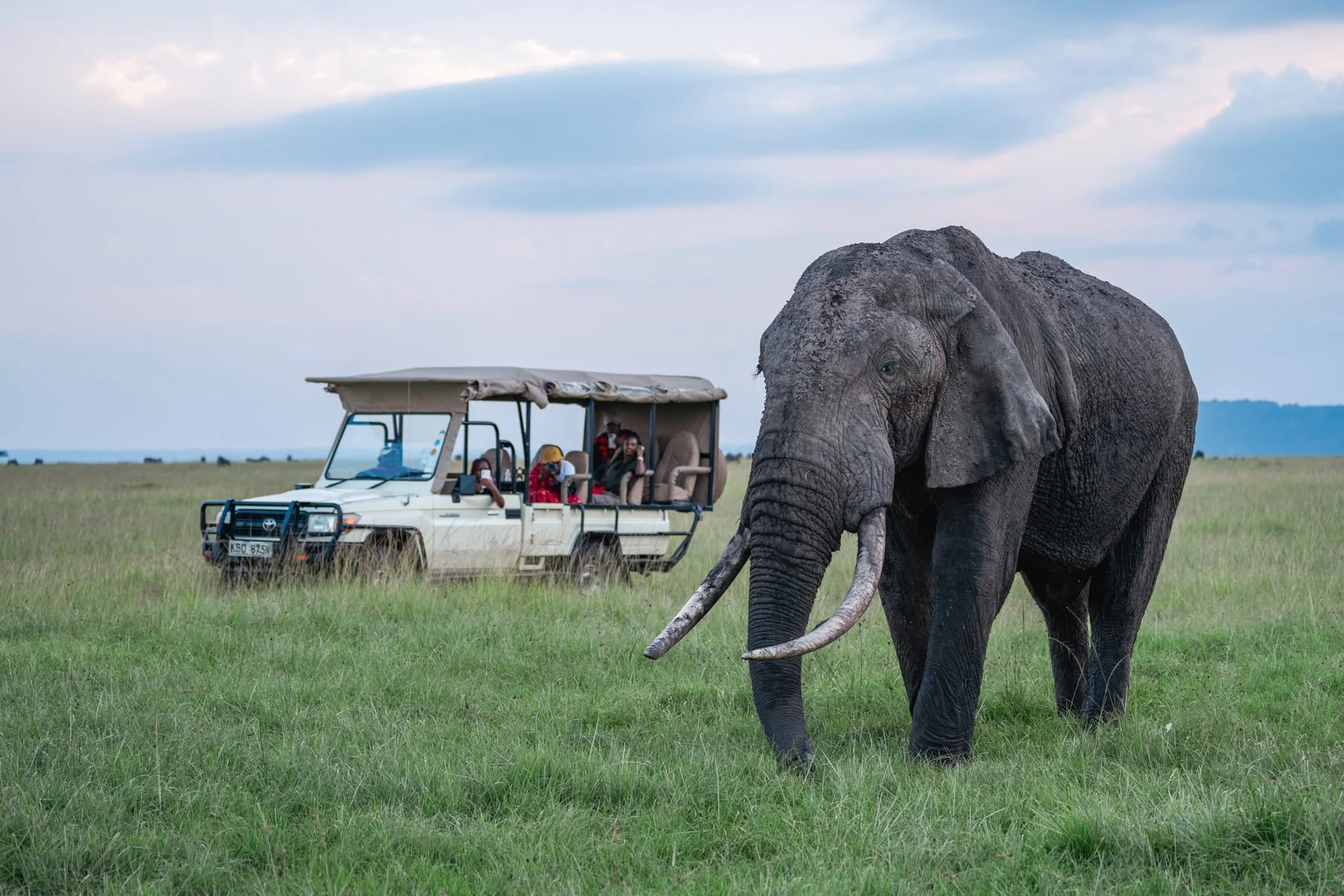
Bring a simple notebook and let children record tracks, birds or animal behaviour. The day does not need to revolve around finding the biggest species. A guide’s explanation of a footprint or an elephant interaction can hold attention longer than driving quickly between sightings. Plan some quiet camp time too. Families often enjoy the trip more when each day has a manageable shape and room for a small surprise.
Kenya family safari route length
A Mara-focused stay suits a family that wants one main safari base. A longer route through Laikipia, Naivasha and the Mara can add variety if you have enough nights. A beach finish can help balance the holiday, but it also introduces another transfer. Ask for two versions of the itinerary and compare the number of moves, full days at camp and longest journey before deciding.
Kenya family safari choices at a glance
| Planning detail | Ask for |
|---|---|
| Children’s ages | Written accommodation and activity policies |
| Rooms | The actual family-room or adjoining-room arrangement |
| Transport | Longest transfer and private vehicle options |
| Meals | Confirmed board basis and dietary arrangements |
| Pace | Rest time and fewer one-night stays |
Kenya family safari routes to consider
Use these original itinerary outlines to start the conversation. Each route can be quoted for your dates, party size and preferred accommodation level; rooms, flights and departure arrangements need confirmation before booking.
- 9-Day Kenya Family Safari at a Gentle Pace
- 8-Day Kenya Classic Highlights Safari
- 11-Day Kenya Safari and Diani Beach Journey
Kenya family safari: common questions
What is the minimum age for a Kenya safari?
There is no single age that applies to every property and activity. Confirm the policies for the specific camps, transport and activities in your itinerary.
Should we add the beach?
It can be a good fit if your family wants downtime and has enough nights. Compare the additional transfer with simply adding a quieter day at a safari lodge.
More Kenya family safari guidance
- Private vs Group Safari: Choose the Right Travel Style
- Kenya Safari Packing List: What to Bring and Check
Kenya family safari: choose a workable daily rhythm
Start with the shortest comfortable day, then build occasional longer outings around it. Children vary greatly in how they respond to early starts, unfamiliar meals and time sitting in a vehicle. Therefore, a useful family brief includes routines as well as ages. Explain whether a nap, an early dinner or a quiet afternoon usually helps. The planner can then assess whether the proposed camps support that rhythm.
Leave some time without a scheduled activity. A family trip does not need every hour to produce another sighting. Reading, drawing and talking about the morning can become memorable parts of camp life. However, never assume children can explore a wildlife property alone. Ask the camp about supervision, escorts and where the family may move. A relaxed itinerary works best when everyone understands those practical limits from the start.
Kenya family safari: room layouts and age policies
Ask for the exact room category and bedding arrangement. Family room can mean different things at different properties. It might describe one large space, adjoining units or an arrangement that still requires an adult in each room. Confirm which option the quote includes. If your children cannot sleep in a separate unit, state that clearly before availability is checked.
Age policies can also differ between accommodation and activities. A child may be welcome at the camp but too young for a particular walk or shared drive. Therefore, review every proposed activity against each child’s age. Ask whether an alternative is available and whether it costs extra. Do not rely on a general child-friendly label. Specific room and activity answers make it easier to choose a Kenya family safari that feels comfortable for both children and adults.
Kenya family safari: preparing for the longest transfer
Look through the itinerary and find the most demanding travel day. Discuss it before discussing optional extras. A route with several gentle nights can still contain one long road transfer that changes how the family feels about the holiday. Ask for the likely pattern of stops and whether a different route or an additional night would improve it. Travel times remain estimates because conditions vary.
For the drive itself, keep water, familiar snacks and a small activity bag accessible. Choose quiet activities that do not distract the driver or disturb other passengers. Also prepare for the possibility that a child wants a break at an inconvenient moment. A private vehicle may help with coordination, but it cannot create a suitable stopping place everywhere. A realistic conversation about the road journey is usually more valuable than promising that children will enjoy every game drive.
Kenya family safari: make wildlife watching interactive
Give children a role suited to their interests. One might record animal behaviour, another might sketch shapes or count different birds. Keep the activity open-ended so a quiet wildlife period still feels worthwhile. Instead of asking only whether you have seen the Big Five, ask what an animal was doing and how it used the landscape. This encourages observation without creating pressure for a particular sighting.
Binoculars can help, but check that each child can use them comfortably. Share equipment and explain how to handle it before the first drive. A simple notebook may be more useful than another screen when dust or movement makes electronics awkward. Finally, allow the guide to introduce unfamiliar subjects. A fascinating insect or bird can hold a child’s attention as strongly as a large mammal. The point is curiosity, rather than completing a list as quickly as possible.
Kenya family safari: meals and everyday comfort
Share allergies, dietary needs and strong food preferences when requesting a proposal. Ask the selected properties what they can actually provide. A general assurance about accommodating families is less useful than knowing whether an early meal or a simple alternative is available. If a dietary need has important health implications, confirm the arrangements directly through the booking process and seek appropriate professional advice where needed.
Think about comfort in the vehicle too. Layers help when mornings feel cool and the day becomes warmer. Keep hats, water and a light outer layer within reach. Ask about laundry if you plan to travel with fewer clothes.
Also explain any mobility needs, including steps, long paths or assistance entering a vehicle. These details influence property selection. Planning them early gives the family more freedom to enjoy the trip once the safari begins.
Kenya family safari: choosing shared or private drives
A private vehicle can help a family agree the length of a drive and avoid asking unrelated guests to adapt to children’s routines. However, it should appear explicitly in the quote. A private holiday booking can still include shared camp drives, especially on a fly-in itinerary. Ask which stages are exclusive and which remain shared. This prevents an important misunderstanding before travel.
Some older children enjoy meeting other guests and sharing discoveries. In that case, a shared activity may suit the family well if the camp allows it. Compare the format with your actual preferences instead of assuming one choice suits every family. If adults want an activity that children cannot join, ask whether a suitable supervision arrangement exists. Do not assume it is included or available. The final programme needs to work for every member of the party.
Kenya family safari: costs and school-holiday planning
Give the planner each child’s age on the travel dates, the number of adults and the preferred room layout. Child pricing can depend on the property, activity and occupancy arrangement. Consequently, an adult headline rate tells you little about the total family cost. Ask for one complete amount and a clear list of exclusions. Include any extra hotel nights needed around your flights.
For fixed school-holiday dates, availability may decide which otherwise suitable properties remain realistic. Compare alternatives in the same region before replacing a settled itinerary with a much longer circuit. A slightly different camp can preserve the route’s rhythm. Also read cancellation terms carefully if the trip depends on school or family commitments. BookSafariTours can compare a focused itinerary with a longer option, explaining what the additional nights contribute rather than simply adding more destinations.
Kenya family safari: build expectations together
Before departure, describe the safari as time observing wild animals in their own environment. Explain that guides cannot summon a lion or promise that every drive will include a favourite species. Talk about listening quietly, staying seated as instructed and following camp rules. These conversations help children understand the experience before excitement takes over at the first sighting.
Let each person choose one interest, then share those interests with the planner and guide. The family may discover that it values landscapes, birds or storytelling as much as the headline animals. After each day, invite everyone to name something surprising rather than simply something ticked off. This keeps the holiday rewarding when plans change. A successful Kenya family safari gives children room to explore their curiosity while adults enjoy a route that respects the whole family’s pace.
Family safari planning in Kenya: prepare a useful enquiry
Start with the dates you can travel and the number of nights available. Add the number of guests, children’s ages where relevant and the room arrangement you need. Then explain the two or three priorities behind your interest in Kenya family safari. A specific brief helps the planner compare workable options instead of guessing which features matter most.
If you have a budget range, say what it needs to cover. International flights, extra hotel nights and optional activities can change the total holiday spend. Also identify any essential requirement, such as exclusive vehicle use or a particular room layout. Ask for alternatives that explain the effect on your experience, not simply a list of different prices.
Before choosing, read the proposal from arrival to departure. Count the settled nights, check the longest travel day and confirm which services are shared. Keep the agreed itinerary and terms together. Clear answers at this stage make the next step easier and give you a practical basis for deciding whether the proposed safari fits your plans.
Family safari planning in Kenya: official visitor resources
Use the relevant authority for current park information, access rules and travel requirements. These official resources complement the planning advice here; they do not confirm room availability, a commercial price or a wildlife sighting.
Reviewed on 19 October 2026. Seasonal descriptions are planning guidance, not a forecast for your departure. Charges, entry arrangements and operating conditions can change. Confirm the details that apply to your nationality, visitor category, dates and chosen activities before paying or travelling.
Request your Kenya family safari proposal
Send BookSafariTours your travel month, number of guests, children’s ages if relevant, preferred room arrangement and approximate budget. Mention the experiences you most want and the amount of time you would like on safari. Request an itemised proposal so you can compare the route, accommodation, transport and optional extras before deciding.