
A Great Migration safari begins with choosing the right region for your travel window. The herds move through the Serengeti–Mara ecosystem in response to rainfall and grazing, so there is no fixed daily timetable. A good plan uses seasonal patterns to choose camps, allows enough nights and leaves room for wildlife to behave unpredictably.
Migration safari regions and uncertainty
The migration is a moving wildlife event spread across a large ecosystem. A camp that suits a northern river-focused trip may be poorly positioned for a southern-plains journey. Start with your month and ask which sector makes sense. If your dates are flexible, compare two regional plans. If they are fixed, value the resident wildlife as well as the possibility of finding the main herds.
Migration safari in the southern plains
The southern Serengeti and Ndutu area are often considered for calving-season travel around the early part of the year. January to March is a broad planning window rather than a promise about one exact week. Rainfall affects grazing and herd positions. Choose a camp that can support sensible drives in the area, and avoid filling every day with long transfers away from the wildlife you came to observe.
Migration safari in northern river areas
Later in the broad annual cycle, northern Serengeti and Mara-area planning becomes relevant. River crossings attract attention, but they are not scheduled performances. Herds can gather without crossing, change direction or move beyond a camp’s practical reach. Patient waiting is part of the experience. A guide should respect park rules and animal space rather than promise a dramatic moment at any cost.
How many nights for a Great Migration safari?
Three or more nights in a well-chosen area can provide more opportunity than a single overnight stop, though no duration guarantees a crossing. Avoid spending most of your migration section changing camps. A route with central and northern Serengeti bases needs enough time for both the transfer and the wildlife days. Ask how many complete days you have in the target area after arriving and before leaving.
Migration safari camp position
A beautiful room is only one part of a migration booking. Camp location, seasonal operation and access to the intended game-viewing sector can have a greater effect on your day. Seasonal camps may move or close, so confirm the actual camp and operating period. For photography, discuss vehicle arrangements, charging facilities and space for equipment. Those details should be part of the proposal rather than assumptions made after booking.
A balanced migration safari programme
Predators, birds, smaller mammals and the changing landscape are part of the ecosystem whether or not the largest herds are nearby. A flexible guide can turn attention to animal behaviour that a hurried itinerary misses. Consider pairing the migration area with a contrasting landscape such as Ngorongoro, but allow sufficient time for the transfer. The strongest journey remains worthwhile even if the event you most hoped for does not happen.
Migration safari options at a glance
| Interest | Planning focus |
|---|---|
| Calving-season landscapes | Southern plains or Ndutu, according to conditions |
| Northern migration interest | Northern Serengeti or Mara-area positioning for the period |
| River crossings | Patient time in a suitable area, with no guarantee |
| Photography | Enough nights, suitable vehicle arrangements and realistic access |
Migration safari routes to consider
Use these original itinerary outlines to start the conversation. Each route can be quoted for your dates, party size and preferred accommodation level; rooms, flights and departure arrangements need confirmation before booking.
- 8-Day Northern Serengeti Migration Safari
- 6-Day Ndutu Calving Season Safari
- 14-Day Kenya, Tanzania and Zanzibar Private Safari
Great Migration safari: common questions
Can a river crossing be guaranteed?
No. Wildlife movements and crossing behaviour are unpredictable. A responsible itinerary selects a suitable area and gives you time without promising a specific event.
Should I book a camp only for the room?
Location is especially important on a migration trip. Confirm the camp’s sector, seasonal operation and daily access before comparing room features.
More migration safari planning guides
- Best Time for a Kenya Safari: Choose Your Travel Month
- Masai Mara vs Serengeti: Compare the Safari Experience
Great Migration safari: understand the wider journey
Think of the migration as a continuing movement through an ecosystem rather than one event at one river. Different stages create different kinds of wildlife interest. A traveller drawn to broad herds on the plains may want a different setting from someone focused on river crossings. Therefore, explain what interests you about the migration before asking which camp to book.
Seasonal guidance gives a starting point, but conditions influence where animals move. Avoid choosing a precise camp simply because a generic calendar places herds in that region. Ask how the proposed location fits your dates and what alternative wildlife experiences the surrounding area offers. A good itinerary remains worthwhile when the animals do something unexpected. Resident wildlife, changing landscapes and the chance to understand behaviour should all contribute to the holiday, even when the main herds are not close to your accommodation.
Great Migration safari: turn your month into a route
Begin with the travel dates you can genuinely use. If they are fixed, request a route that makes sense for that window. If you can choose between two periods, compare the likely regions, access arrangements and accommodation availability for each. This is more informative than asking for the best month without saying whether you want calving-season interest, northern river areas or a broader wildlife journey.
Then look at the number of nights in the main seasonal area. A route that advertises migration interest but spends most of its time elsewhere may not match your purpose. Ask what happens on each transfer day and how much time remains for drives after arrival. Longer stays provide room to respond to local conditions, although they cannot guarantee an event. Choose time because you enjoy the experience of wildlife watching, rather than treating extra nights as a purchase of certainty.
Great Migration safari: mobile and permanent camps
Camp position matters as much as room style. A seasonal camp may operate in a particular region for part of the year, while a permanent camp remains in one location. Neither format automatically puts you beside the herds. Ask for the intended camp area on your dates, the access airstrip and the wildlife programme. Also confirm whether any planned move affects your own arrival or departure.
Comfort varies within both formats. Ask about bathrooms, power, laundry, paths and the room arrangements your party needs. Remote does not always mean basic, and permanent does not always mean large. Compare the actual property rather than relying on category labels. If the trip’s main purpose is seasonal wildlife, protect the location first and discuss appropriate comfort options within that area. A more elaborate room in an unsuitable region may not deliver the experience that motivated your booking.
Great Migration safari: patience at river areas
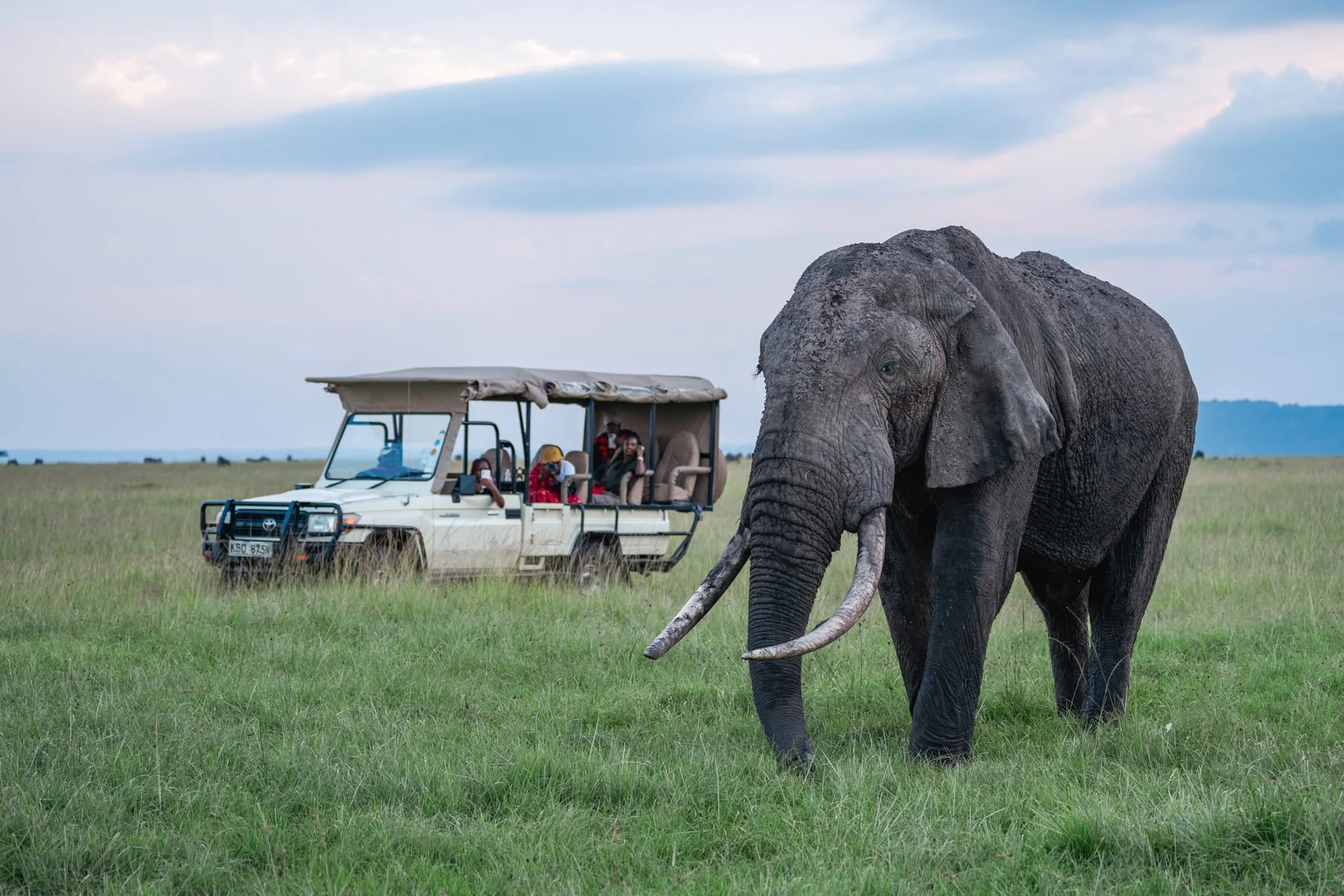
Watching wildlife near a river can involve long periods without a crossing. Animals may approach, wait and move away. Decide whether that kind of observation appeals to you before making it the centre of every day. Some travellers enjoy the anticipation; others prefer a wider drive programme. Tell the guide your preference so the day balances opportunities with your own enjoyment.
The vehicle must follow the rules of the area and leave animals space. TANAPA publishes specific guidance for Mara River crossing viewing in the Serengeti. Those instructions support the broader principle that the wildlife’s movement comes first. A request for a photograph does not justify blocking an approach or pressuring a guide to ignore directions. If conditions or park staff require a different position, accept it. Responsible viewing belongs in the trip plan, not only in a statement added after booking.
Great Migration safari: photography and viewing space
Explain whether photography is a casual interest or the main purpose of the journey. This affects how you evaluate a vehicle, seating and drive flexibility. Ask how many people share it and whether equipment space is available. If you need exclusive use, request that explicitly. A private room does not establish a private vehicle, especially on a camp-based fly-in itinerary.
Plan for dust, changing weather and long periods away from camp. Carry a practical way to protect equipment and enough power for the actual drive pattern. However, avoid letting equipment turn every sighting into a technical task. Spend time observing how animals move through the landscape. That understanding can help your photographs and keep the experience rewarding when conditions differ from expectations. The most useful preparation combines appropriate kit with a realistic appreciation of what a guide can and cannot control.
Great Migration safari: build a balanced itinerary
Leave some flexibility around the migration-focused stay. A second landscape can broaden the trip, but adding too many distant parks can reduce the time available in the area you came to explore. Compare an itinerary with one settled migration base against a circuit with several camp changes. Count full wildlife days rather than simply counting parks.
For a short holiday, keeping the main stay focused may give you the best balance. With more time, a contrasting park or beach finish can add variety without crowding the core experience. Ask which transfer creates the largest disruption and whether a flight or additional night would help. The answer depends on the actual route. BookSafariTours can compare these options while keeping the main goal visible: enough time in a sensible seasonal region, with a holiday that remains enjoyable beyond one possible sighting.
Great Migration safari: costs and optional activities
Compare quotations using the same travel dates, party size and region. A lower camp price in a different area is not automatically a saving on an equivalent migration trip. Check accommodation, drives, park access, domestic flights and transfers together. Also establish whether any special activity is included or merely available at an extra charge. Balloon flights, for example, need their own availability and operating confirmation.
Read payment and amendment terms before making a deposit. Seasonal accommodation can have specific conditions, and changes to flights or rooms may affect the total. Ask what the proposal says about changing an itinerary if your priorities shift. Do not assume a camp can be replaced freely after services are reserved. A transparent quote makes these practical points visible so you can choose the experience and level of flexibility that suit your budget.
Great Migration safari: booking with realistic expectations
Your enquiry should name the month, available nights and the aspect of the migration that interests you most. Add your rooming needs, preferred travel pace and whether you want private drives. This gives the planner enough information to suggest a suitable region rather than sending a generic itinerary. If the dates are flexible, say by how much so alternatives remain realistic.
Before confirming, read the plan as a wildlife holiday rather than a guaranteed event booking. Check the location, daily rhythm and experiences available if herds move away. Ask the remaining practical questions in one list and keep the answers with the proposal. A Great Migration safari can be extraordinary because it follows wild processes. Choosing a route that respects that uncertainty gives you a stronger foundation for enjoying the journey, whatever happens during your particular stay.
Migration safari planning: prepare a useful enquiry
Start with the dates you can travel and the number of nights available. Add the number of guests, children’s ages where relevant and the room arrangement you need. Then explain the two or three priorities behind your interest in Great Migration safari. A specific brief helps the planner compare workable options instead of guessing which features matter most.
If you have a budget range, say what it needs to cover. International flights, extra hotel nights and optional activities can change the total holiday spend. Also identify any essential requirement, such as exclusive vehicle use or a particular room layout. Ask for alternatives that explain the effect on your experience, not simply a list of different prices.
Before choosing, read the proposal from arrival to departure. Count the settled nights, check the longest travel day and confirm which services are shared. Keep the agreed itinerary and terms together. Clear answers at this stage make the next step easier and give you a practical basis for deciding whether the proposed safari fits your plans.
Migration safari planning: official visitor resources
Use the relevant authority for current park information, access rules and travel requirements. These official resources complement the planning advice here; they do not confirm room availability, a commercial price or a wildlife sighting.
- Kenya Wildlife Service park information
- Magical Kenya destination information
- Tanzania National Parks visitor information
- Ngorongoro Conservation Area Authority
Reviewed on 19 October 2026. Seasonal descriptions are planning guidance, not a forecast for your departure. Charges, entry arrangements and operating conditions can change. Confirm the details that apply to your nationality, visitor category, dates and chosen activities before paying or travelling.
For river-viewing etiquette in Tanzania, consult TANAPA’s Mara River crossing guidelines. Follow current ranger instructions and local restrictions during your visit.
Request your Great Migration safari proposal
Send BookSafariTours your travel month, number of guests, children’s ages if relevant, preferred room arrangement and approximate budget. Mention the experiences you most want and the amount of time you would like on safari. Request an itemised proposal so you can compare the route, accommodation, transport and optional extras before deciding.