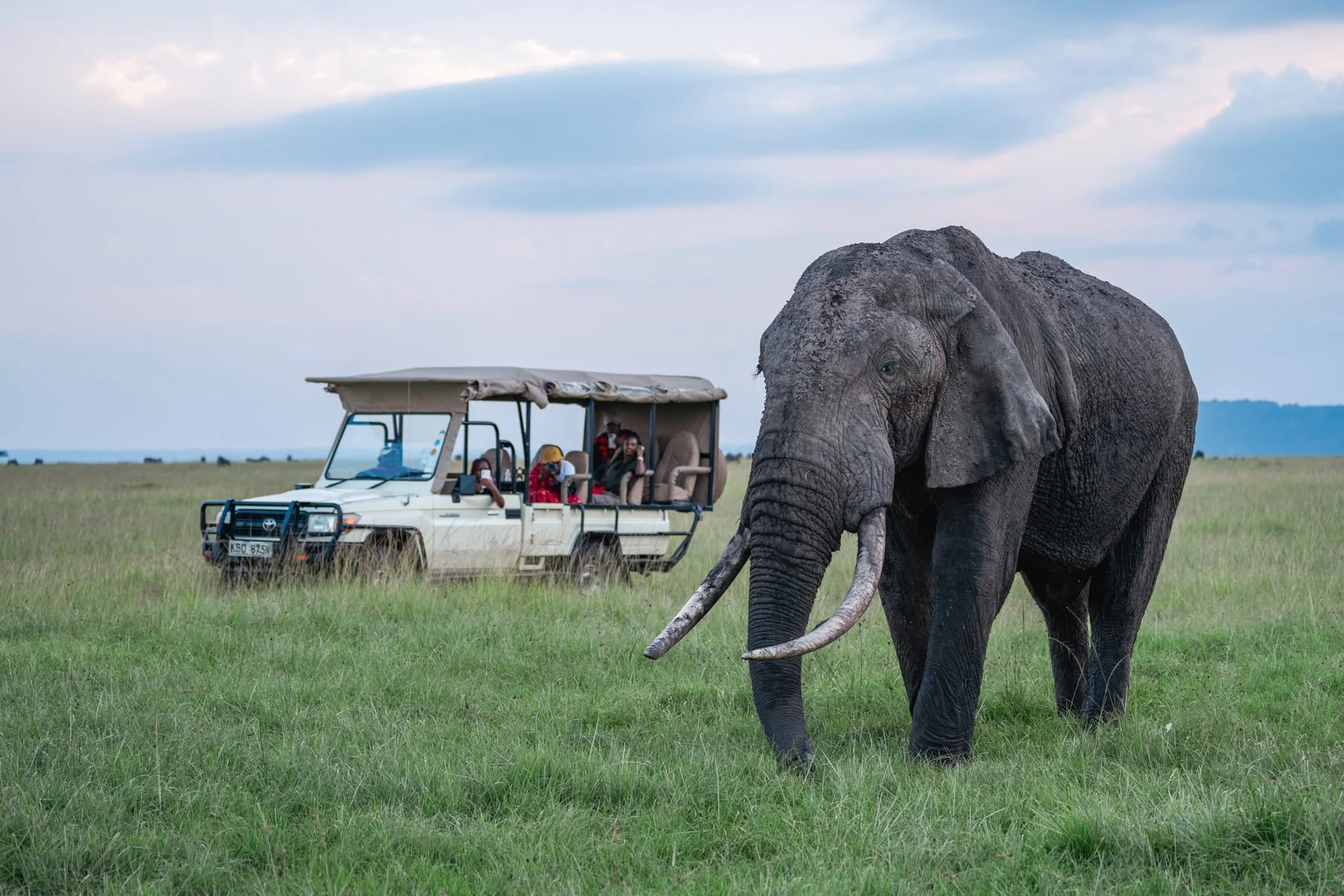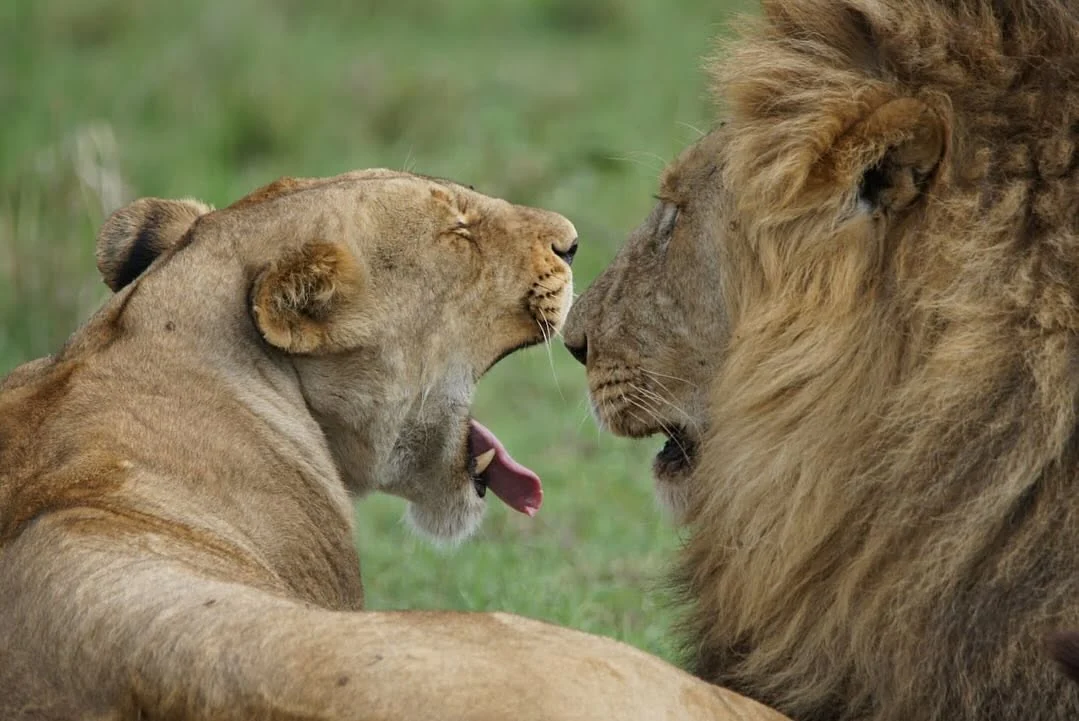
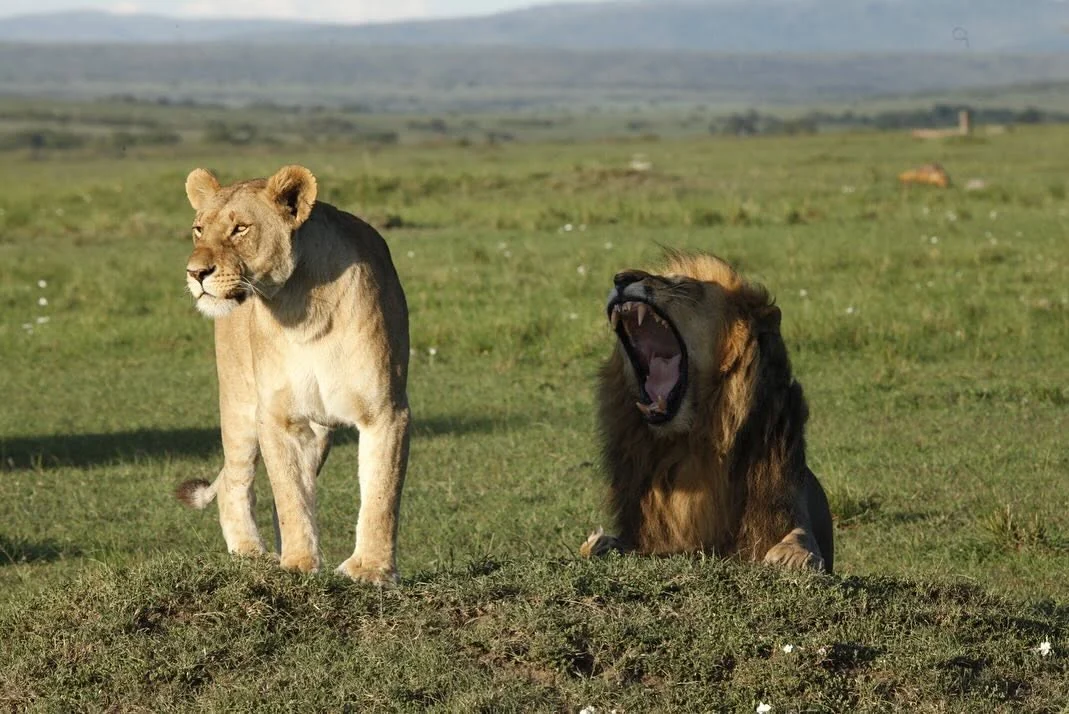
The best time for a Kenya safari depends on what you want from the trip: a particular wildlife event, a quieter camp, school-holiday dates or a safari-and-beach combination. Start with your priorities, then choose the parks and accommodation around the season. That approach produces a better holiday than booking a month simply because somebody calls it the best.
Kenya safari timing: start with your priorities
A first safari focused on resident wildlife does not need the same plan as a trip built around migration herds. The Mara, Amboseli and Laikipia offer different settings, and a strong itinerary makes those differences useful. Tell your planner whether big cats, elephants, photography, fewer camp changes or beach time matter most. Then compare two suitable date windows rather than looking for one perfect week.
Kenya safari timing in the drier months
Broadly, the longer drier period often falls around June to October, while January and February can also offer useful safari conditions. Weather still varies by region and year. Less surface water can make some wildlife easier to find, but dry-season popularity also puts pressure on rooms. If you have fixed dates, discuss camp location and availability early, particularly for a small party that needs several rooms together.
Kenya safari seasons: greener months
Rain can bring greener scenery, changing light and a different atmosphere on the plains. It can also affect tracks, transfer times and which camp facilities are operating. A lower room rate is only useful if the route still works for your interests. Ask about road access and whether a flexible daily programme is sensible. Avoid treating an entire wet season as either a bargain or an automatic reason not to travel.
Kenya migration timing and uncertainty
The migration moves through a much larger ecosystem than the Kenyan Mara. Seasonal patterns help choose a base, but rainfall controls where the herds actually graze. A river crossing cannot be booked for a date or guaranteed during a game drive. Choose enough nights in an appropriate area to give yourself time, and value the resident wildlife too. If seeing the herds is your main aim, keep your location flexible until the proposal is finalised.
Kenya safari timing for your route
For a short first visit, a focused Mara stay can work better than a fast circuit with several long drives. With a week or more, adding Amboseli or Laikipia can broaden the experience. Families may prefer fewer accommodation moves during busy school-holiday periods. Couples combining a safari with Diani should consider the coast separately: a wildlife month and a beach month do not always have identical weather advantages.
Kenya safari timing: questions for your camp
Confirm where the camp sits in relation to the game-viewing area you want. Ask how much daily travel to expect, whether activities are shared and what happens if a road or airstrip is affected by weather. Check the cancellation and amendment terms before paying. A useful quotation explains these practical details alongside the room category; a seasonal label alone tells you very little about the actual experience.
Kenya safari seasons at a glance
| Your priority | Planning approach |
|---|---|
| Resident wildlife | Choose parks and enough nights before chasing a particular month |
| Migration interest | Select the appropriate seasonal area and allow for changing herd movements |
| Family holiday | Check rooms, child policies and transfer lengths for your school dates |
| Safari and beach | Assess inland wildlife conditions and coastal weather separately |
Kenya safari routes to consider
Use these original itinerary outlines to start the conversation. Each route can be quoted for your dates, party size and preferred accommodation level; rooms, flights and departure arrangements need confirmation before booking.
- 3-Day Masai Mara Private Safari
- 8-Day Kenya Classic Highlights Safari
- 7-Day Masai Mara and Diani Honeymoon Safari
Kenya safari timing: common questions
Is there one guaranteed best month?
No. Different regions and interests favour different plans, and weather patterns vary. Use a seasonal framework, then check the actual route and camp operations for your dates.
How long should I stay in the Mara?
Two nights provide a compact introduction; three or more allow additional game-viewing time and less pressure to fit every experience into one day. Choose according to the overall trip length.
More Kenya safari planning guides
- Great Migration Safari: Timing, Camps and Expectations
- Kenya Safari Packing List: What to Bring and Check
Kenya safari seasons: January and February
January and February can suit travellers who want a wildlife holiday early in the year. However, Kenya has several climates. A warm afternoon on a low plain does not tell you how a highland camp will feel after sunset. Build the clothing list and daily programme around the actual overnight stops. Also ask whether the proposed dates overlap a school break or another period of strong demand.
For a first visit, choose the wildlife areas before choosing extras. Two or three settled nights give a guide more opportunity to explore than a sequence of single-night stops. A short safari can therefore feel richer when it covers less ground. If your dates allow a choice, request two versions of the same route. Compare the rooms, transfers and total cost for each window, rather than assuming every early-year departure offers the same value.
Kenya safari seasons: March, April and May
The longer rains commonly influence this part of the year, although their arrival and intensity vary. Treat the period as a route-planning question. Ask whether the selected camp operates throughout your stay, which access roads it uses and how the guide adjusts drives after rain. A property with a lower nightly rate may still involve a more expensive or less convenient transfer.
Green landscapes appeal to travellers who enjoy atmosphere, birdlife and photography beyond the familiar dry-plains image. Nevertheless, an attractive photograph cannot describe every day of a trip. Keep some flexibility in expectations and avoid building the entire holiday around a narrow sighting goal. Before accepting a proposal, check what happens if access changes. The useful answer names alternative arrangements and who makes the decision. A general assurance about year-round travel does not replace that practical discussion.
Kenya safari seasons: June to October
Many travellers consider the middle and later months of the year for a classic wildlife trip. Popularity makes early accommodation planning especially useful when you need family rooms, adjoining tents or several rooms at one small camp. However, do not secure an unsuitable room simply to claim a place in a famous season. Location, comfort and time in the vehicle remain central to the experience.
If the Mara is your focus, distinguish a general wildlife stay from a migration-led proposal. The latter needs discussion about the likely herd area and the drives involved from your chosen camp. A river-view label does not promise a crossing. Similarly, a camp in a neighbouring conservancy may have a different activity programme from a stay inside the reserve. Ask which areas your drives cover and which access charges the quotation includes before comparing the final totals.
Kenya safari seasons: November and December
The later part of the year brings another set of planning choices. Short rains can affect conditions, while festive travel can increase demand for particular rooms and connections. These influences do not always cancel each other out. A month associated with showers can still contain dates when accommodation is difficult to secure. Therefore, compare the exact nights rather than relying on a single seasonal price label.
Families travelling during school holidays should confirm child policies early. Couples should also check whether the property has minimum stays, special meal arrangements or different cancellation terms for their dates. Ask for those conditions in the written proposal. If you want a beach finish, examine the inland and coastal parts separately. The best route may keep the safari focused and allow enough coastal nights to recover from another transfer, rather than trying to fit both experiences into a very short break.
Kenya safari timing for photography
Photographers should think in hours and locations as well as months. Ask how the camp handles early departures, packed meals and returning after a long drive within local rules. Also check whether your vehicle is private and how much equipment space you can realistically use. A shared drive can be enjoyable, but other guests may prefer a different pace or a shorter wait at one sighting.
Changing light creates opportunities in every season. Consequently, a useful brief explains the pictures you want: animal behaviour, wider landscapes, birds or family memories. That gives the planner something more practical than a request for the best photographic month. Carry a simple way to protect equipment from dust and rain. Finally, allow room for observation without taking pictures. Time spent understanding behaviour can make both the next photograph and the overall safari more rewarding.
Kenya safari timing for a first visit
Start with the number of nights you can spend away, excluding long international flights. Next, decide how many of those nights belong to wildlife areas. An eight-night holiday and an eight-day itinerary can describe different amounts of usable time. Write the arrival date and departure date on the same page as the camp nights. This makes a rushed connection or an unnecessarily late first transfer easier to spot.
For example, a traveller with a late arrival could begin with a Nairobi night and then choose one main safari area. Someone with a longer stay could add a contrasting landscape without sacrificing the heart of the trip. Neither outline guarantees a particular animal. Their value lies in creating enough time for the guide to respond to conditions. Ask BookSafariTours to show where an additional night would contribute most before automatically adding another park.
Kenya safari timing and responsible wildlife viewing
The best time for a Kenya safari should also be a time when your expectations fit responsible viewing. Leave animals room to move, follow the guide’s instructions and accept that a promising sighting may require patience. Requests for a closer photograph must never override the rules of the area. Similarly, a private vehicle gives your party flexibility within the permitted programme; it does not create permission to disturb wildlife.
Use official information to understand the protected areas on your route. Kenya Wildlife Service publishes visitor guidance for the parks and reserves it manages. However, the Masai Mara and individual conservancies have their own management arrangements. Ask which authority sets the rules for each planned activity. This distinction helps you read the quotation correctly and prevents the mistaken assumption that one set of park charges or access conditions applies everywhere in Kenya.
Kenya safari date decisions: a practical exercise
Write down three priorities and put them in order. One traveller might choose limited road time, elephants and a quiet room. Another might choose migration interest, several full wildlife days and a fixed school-holiday week. Both can enjoy Kenya, but their best proposals may look different. Therefore, send the planner your priorities before asking for a list of camps.
Then compare two realistic date windows using the same questions. How many nights do you spend in the main wildlife area? What travel happens on arrival and departure days? Which activities require extra payment?
What could change because of weather? Finally, what is the total for your actual party? This exercise turns seasonal advice into a decision you can act on. It also makes the quotation more useful, because the proposed route responds to your priorities rather than simply repeating a popular itinerary.
Kenya safari timing: prepare a useful enquiry
Start with the dates you can travel and the number of nights available. Add the number of guests, children’s ages where relevant and the room arrangement you need. Then explain the two or three priorities behind your interest in best time for a Kenya safari. A specific brief helps the planner compare workable options instead of guessing which features matter most.
If you have a budget range, say what it needs to cover. International flights, extra hotel nights and optional activities can change the total holiday spend. Also identify any essential requirement, such as exclusive vehicle use or a particular room layout. Ask for alternatives that explain the effect on your experience, not simply a list of different prices.
Before choosing, read the proposal from arrival to departure. Count the settled nights, check the longest travel day and confirm which services are shared. Keep the agreed itinerary and terms together. Clear answers at this stage make the next step easier and give you a practical basis for deciding whether the proposed safari fits your plans.
Kenya safari timing: official visitor resources
Use the relevant authority for current park information, access rules and travel requirements. These official resources complement the planning advice here; they do not confirm room availability, a commercial price or a wildlife sighting.
Reviewed on 19 October 2026. Seasonal descriptions are planning guidance, not a forecast for your departure. Charges, entry arrangements and operating conditions can change. Confirm the details that apply to your nationality, visitor category, dates and chosen activities before paying or travelling.
Plan the best time for a Kenya safari
Send BookSafariTours your travel month, number of guests, children’s ages if relevant, preferred room arrangement and approximate budget. Mention the experiences you most want and the amount of time you would like on safari. Request an itemised proposal so you can compare the route, accommodation, transport and optional extras before deciding.