
14-Day Kenya, Tanzania and Zanzibar Private Safari
Bring together three Mara nights, three Serengeti nights, a Ngorongoro visit and four nights on Zanzibar. A full border-transfer day…
from $9,900 per person
Rated 4.9 on TripAdvisor
Kenya parks and reserves
Lakes, coast and city
Beyond Kenya
All destinations


Classic Safaris
Masai Mara budget safari: Share the road costs while keeping the Mara at the centre of your trip. A simple tented camp and a coordinated daily programme make this a practical starting point for solo travellers and friends watching their budget.
This 3-day itinerary begins in Nairobi and finishes in Nairobi. Its main settings are Masai Mara. Use the route as a starting point for a personalised proposal, with the actual properties, rooms, activities and transport listed for your dates. A page describes the intended journey; it does not hold rooms or confirm a departure.
Read the daily sequence alongside your international flights. Arrival and departure days can contain significant travel, so the headline duration is not the same as a count of full wildlife days. If you land late, depart early or want a gentler start, ask whether an additional hotel night belongs before or after the safari. That decision is easier to make before services are reserved.
Group departures require enough confirmed travellers. Request a private alternative if your dates are fixed; no departure or seat is held by this page.
Choose this route if the combination of Masai Mara matches the experience you want from Kenya. Think about the balance between wildlife, scenery and time in transit. A safari works best when the route fits your available nights and travelling style, rather than asking you to enjoy a demanding pace simply because the itinerary includes familiar names.
For this 3-day plan, identify two priorities before requesting a quote. You might value an extra wildlife day, a particular room layout, fewer camp changes or an onward stay after Nairobi. Tell the planner which requirements are essential and which can change. That creates useful alternatives when availability or budget makes the first idea less practical.
Couples, friends, solo travellers and families can need different versions of the same route. Share the actual party size, rooming preference and any age or mobility considerations. Then check the most demanding day in the itinerary. If that day would be uncomfortable for someone in the party, discuss a different connection or an extra night before choosing the accommodation.
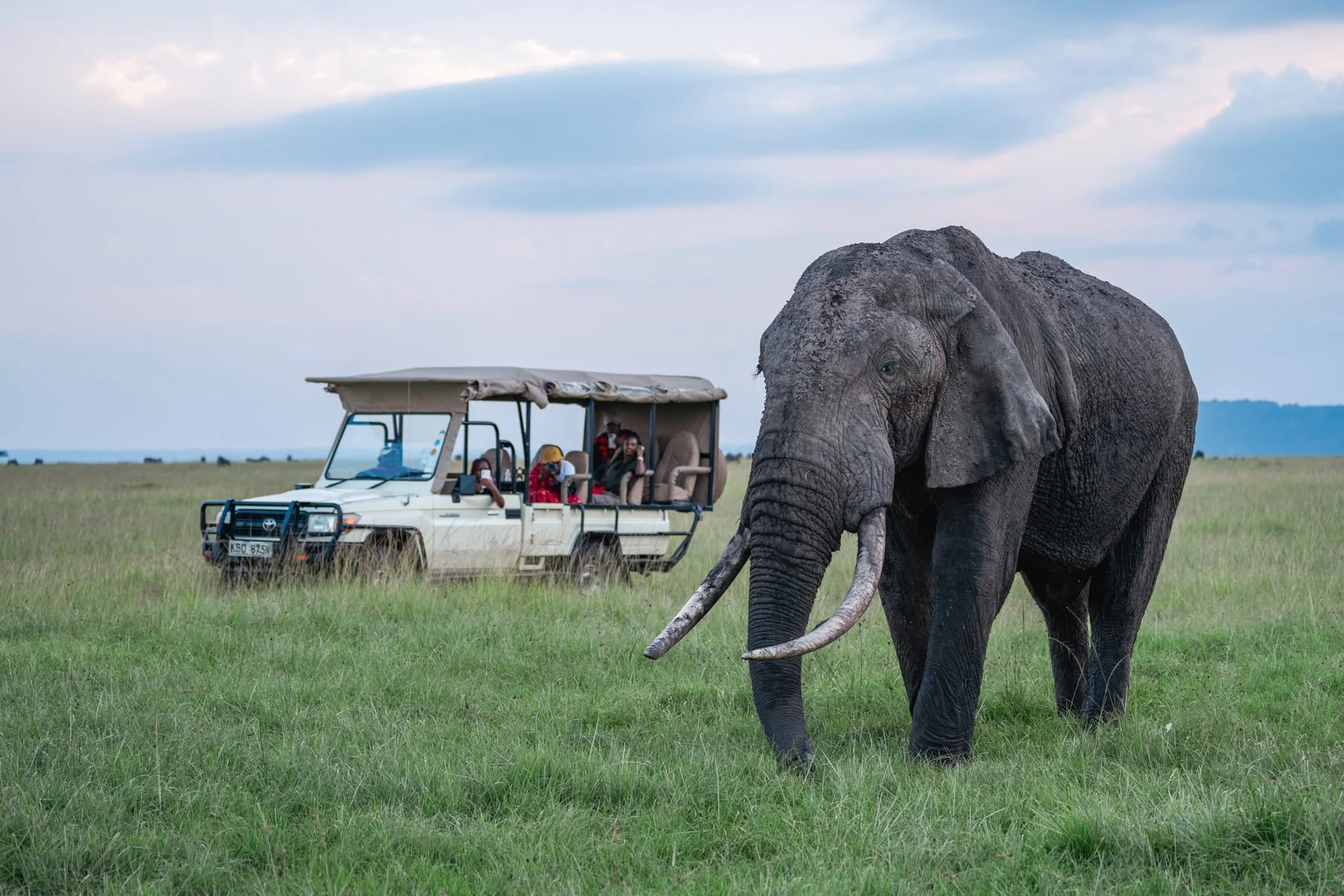
The Mara rewards time spent observing rather than moving between distant targets. Open country gives a wide view, while drainage lines and riverine habitats add different kinds of cover. Ask the guide to explain how the landscape influences the wildlife you encounter. A drive becomes more interesting when you understand why animals use a particular area, even when the most famous species remain out of sight.
Camp location shapes your day. Establish whether the proposed property sits in the national reserve, a neighbouring conservancy or another surrounding area. Then confirm where your game drives take place. These arrangements can affect access charges, activities and the time needed to reach a different viewing area. A property described as being in the Mara ecosystem does not automatically provide the same programme as every other Mara camp.
If migration interest motivates your visit, discuss your dates before choosing a base. Seasonal patterns offer guidance, but rainfall and grazing influence actual herd movement. A river crossing cannot be scheduled. Therefore, value the wider wildlife programme as well as that possibility. For a shorter stay, settled time near your chosen camp usually matters more than trying to cover every part of the ecosystem.
One main wildlife area gives this route a clear purpose. Instead of packing for several parks, you can use the available nights to become more familiar with Masai Mara. Ask the guide about the habitats you pass and the behaviour you observe. Returning to a location can reveal changes in activity or light, so a repeated drive area need not mean a repeated experience. The value comes from attention and time, not simply covering new ground.
Compare the stay with one additional night if your wider holiday allows it. An extra night can create another full wildlife day without adding a long transfer to a different park. However, extending the trip is a choice rather than a requirement. The existing duration may suit your schedule well. Ask what the additional time would contribute, how the accommodation cost changes and whether the final-day connection becomes more comfortable. That makes the decision practical instead of assuming longer always means better.
Before departure, agree the interests that should guide the programme: broad wildlife observation, birds, photography or a relaxed first safari. Then leave room for conditions to shape each outing. Your guide may suggest a different loop or a pause at an unexpected subject. A focused Masai Mara visit works best when you enjoy that process rather than expecting every drive to produce a different famous animal. Keep the arrival and return arrangements clear so the limited travel days support, rather than overshadow, the stay.
Meet your representative in Nairobi and begin the proposed transfer. Look for wildlife across open grassland and riverine habitat. Your guide selects a sensible loop around recent sightings and conditions, with time to pause rather than chase a checklist.
Confirm the meeting point and start time for your arrival in Nairobi. Share any separately booked flight details before the transfer is arranged. The first day needs enough time for the journey, check-in and the proposed activity, so a late arrival may require a different plan rather than simply compressing every stage.
Look for wildlife across open grassland and riverine habitat. Your guide selects a sensible loop around recent sightings and conditions, with time to pause rather than chase a checklist. With no accommodation move today, choose a full outing or separate morning and afternoon activities where the camp programme permits.
A day without changing accommodation creates useful flexibility. Discuss whether the programme uses separate morning and afternoon outings or a longer excursion with meals arranged accordingly. The final rhythm depends on the camp, access rules and conditions. Use the time to observe behaviour and revisit promising areas rather than trying to force a particular sighting.
Check out after breakfast and return to Nairobi using the road or flight arrangement specified in your quote. A final game drive is possible only if the confirmed park access and transfer schedule allow it. International flights and extra hotel nights are arranged separately.
Check the agreed drop-off point in Nairobi and the buffer before any onward commitment. A final wildlife activity only fits when access rules and the confirmed transfer schedule allow it. If your international flight is separate, have the complete connection reviewed before assuming the safari can finish immediately before check-in.
A classic or shared-departure proposal needs clear confirmation rules. Ask whether the departure is guaranteed, the maximum passenger number and how seating works. A planned date is not automatically a confirmed place. If a shared option depends on enough bookings, understand the alternative before making non-refundable travel arrangements around it.
Sharing a vehicle can distribute transport costs and add the pleasure of meeting other travellers. It also requires coordination over departures, stops and time at sightings. Tell the planner if your party has a specialist interest or a routine that needs extra flexibility. A private version may suit you better, and comparing the same route in both formats reveals what the difference in price actually buys.
For a road-based version, examine the longest leg between Nairobi, the safari stops and Nairobi. Moving days can provide changing scenery, but they use time and energy. Ask how the itinerary divides meals, breaks and park activities around those transfers. If the route feels too ambitious, simplifying it or adding a night can be more effective than expecting every drive to run at the fastest estimate.
Vehicle details belong in the quotation. Check the proposed type, passenger arrangements and space for luggage. Keep the day bag manageable and the items you need during transfers easy to reach. For families, share practical requirements before the vehicle is selected. For photographers, ask about viewing positions and equipment space rather than assuming that a general vehicle description answers those questions.
The current accommodation approach is budget camps / camping as confirmed. The written proposal should name the properties and room categories, with the board basis and location for each stop. A category such as lodge, tented camp or luxury does not define every facility. Ask about the details you will use rather than assuming the label guarantees a particular room experience.
Room layout can matter as much as the general standard. Confirm bedding, bathrooms, steps, paths and the arrangement of any family or single rooms. Share dietary and mobility requirements early so the selected properties can assess them. A request is only useful when the booking process establishes whether the proposed property can actually provide what you need.
Read meal arrangements alongside the daily programme. A longer outing may use a packed meal, while a shorter drive may return to camp. Drinks, laundry and special dining can have separate conditions. The strongest comparison uses the total services you expect to receive, rather than treating two rooms with similar photographs as identical products.
For a budget or camping version, ask exactly which facilities and equipment the quotation provides. Bedding, towels, bathroom arrangements and campsite services can differ. If camping is proposed, confirm the equipment list and meal support. A low total only represents useful value when the practical arrangements fit your expectations and the party understands the level of comfort.
Protect the main experience before cutting costs. Fewer park changes, another room category or a shared departure may reduce the total in different ways. Ask what each adjustment changes. For a solo traveller, check the actual single-occupancy amount rather than a rate based on two sharing. A clear comparison lets you choose a simpler holiday confidently, without discovering an essential service outside the price after booking.
Choose the travel month around the actual Kenya route and your priorities. Weather varies between regions and years, and camp operations or access conditions can affect the programme. A broad seasonal description helps planning but does not forecast your departure. Ask how the proposed dates influence location, transfers and optional activities before selecting the final properties.
No itinerary can guarantee a particular animal, behaviour or photographic scene. Give the guide room to respond to conditions and enjoy the wider landscape when a hoped-for sighting does not happen. Stay within the viewing rules, leave animals space and follow instructions from guides and park staff. A private vehicle gives flexibility within the programme; it does not create permission to disturb wildlife.
Also keep conservation claims specific. If you want a specialist experience or wish to understand a particular programme, ask what the visit involves and which charge applies. Do not infer that every safari booking includes direct participation in all local conservation activities. Clear descriptions help you choose experiences for their real contribution to your holiday and the places you visit.
Request the full amount for your actual party on this 3-day route. Dates, room occupancy, accommodation choices and transport can all affect the calculation. The proposal should identify the overnight stops, included wildlife activities, guiding, transfers, park access and meals. Then read the exclusions and optional extras alongside it so you can understand the expected holiday spend.
International flights, entry permissions, personal insurance, tips and purchases commonly need separate budgeting unless expressly included. Optional activities require their own price and availability confirmation. If the package contains domestic flights, check the specified sectors. If a beach stay follows, review its meal plan separately. Avoid comparing a complete quotation against a lower headline total that leaves essential services outside the amount.
Confirm the payment currency, deposit, balance date, quote validity and amendment terms. Some components can have different restrictions, so ask how a change to dates or party size would affect the booking. Keep the agreed itinerary and terms together. A clear written proposal is the reference for the services reserved, including any alterations you approve during the planning conversation.
Use the relevant authority for current park information, access rules and travel requirements. These official resources complement the planning advice here; they do not confirm room availability, a commercial price or a wildlife sighting.
Reviewed on 19 October 2026. Seasonal descriptions are planning guidance, not a forecast for your departure. Charges, entry arrangements and operating conditions can change. Confirm the details that apply to your nationality, visitor category, dates and chosen activities before paying or travelling.
Send BookSafariTours your travel dates, party size, rooming needs and approximate budget for this 3-day journey from Nairobi to Nairobi. Tell us which experiences matter most and any requirement that the route must accommodate. Ask for an itemised proposal with named properties, clear sharing arrangements and the complete transfer plan so you can choose the version that fits your holiday.
Day 1
Meet your representative in Nairobi and begin the proposed transfer. Look for wildlife across open grassland and riverine habitat. Your guide selects a sensible loop around recent sightings and conditions, with time to pause rather than chase a checklist.
Day 2
Look for wildlife across open grassland and riverine habitat. Your guide selects a sensible loop around recent sightings and conditions, with time to pause rather than chase a checklist. With no accommodation move today, choose a full outing or separate morning and afternoon activities where the camp programme permits.
Day 3
Check out after breakfast and return to Nairobi using the road or flight arrangement specified in your quote. A final game drive is possible only if the confirmed park access and transfer schedule allow it. International flights and extra hotel nights are arranged separately.
from $450 per person sharing
No reviews for this safari yet. Ask us for references from recent guests.
Related safaris
Bring together three Mara nights, three Serengeti nights, a Ngorongoro visit and four nights on Zanzibar. A full border-transfer day…
from $9,900 per person
Connect the Mara and Serengeti with a dedicated border-transfer day and longer wildlife stays on each side. The route ends…
from $4,490 per person
Follow an overland journey from Nairobi through Amboseli and both Tsavo parks before unwinding at Diani. Two-night park stays make…
from $4,690 per person
Free quote
Tell us a little about your trip. A Nairobi-based planner replies with a tailored itinerary and price.